Loading...
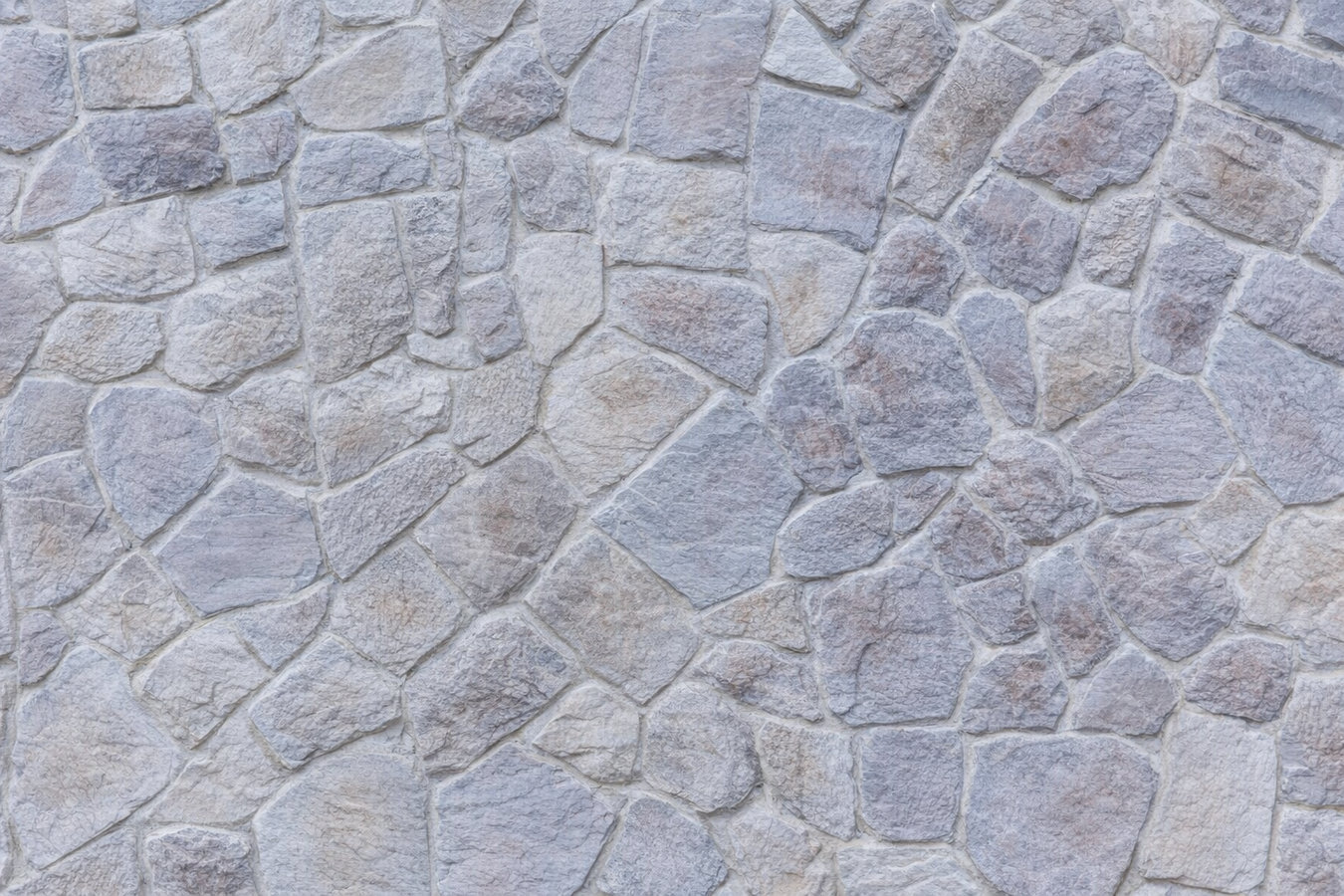
Stone that shifts, cracks, or grows mold after the first rainy season is a foundation and mortar problem. We build every project with footings sized for St. Cloud's sandy soil and mortar suited to the heat and humidity here.
Stone masonry in St. Cloud, FL covers building and repairing walls, pillars, steps, garden borders, outdoor kitchens, and decorative features using natural or manufactured stone - most projects take one day to a full week depending on size and complexity.
Most homeowners in St. Cloud reach out because they want an outdoor space that holds up year after year without constant upkeep. Stone is one of the most durable exterior finishes available, but only when it is built correctly from the start - with the right footing for the soil, the right mortar for the climate, and good drainage behind any wall. If you are planning a stone veneer on a home exterior or an existing wall, our masonry restoration service may be a better fit if the underlying surface needs attention before new stone goes on.
Stone work in Central Florida looks great on day one - the challenge is keeping it that way through years of rain, heat, and humidity. The difference between stone that still looks solid a decade later and stone that starts crumbling after a few rainy seasons almost always comes down to the decisions made before the first stone is ever set.
Cracks running through the mortar between stones - or through the stones themselves - mean the structure has moved or the original work is failing. Small hairline cracks can be repaired early and cheaply. Wider cracks, or cracks that are growing, mean the underlying problem needs to be addressed before it gets worse.
Those white streaks are mineral deposits left as moisture moves through the stone and mortar - a sign water is getting in somewhere it should not be. This is especially common in St. Cloud because of the high humidity and frequent rain. If it is happening on a wall or pillar, the mortar joints may need repointing or the surface may need sealing.
Any freestanding stone structure that has started to tilt - even slightly - needs attention. In St. Cloud's sandy soil, this often means the footing has shifted. A leaning wall will not fix itself, and the longer it sits, the more expensive the repair. If you can rock the structure by hand, call a mason right away.
If individual stones shift when you step on them, or you hear a hollow sound when you tap them, the bond between stone and base has broken down. This is a safety issue, not just cosmetic. Florida's afternoon rain and heat cycles accelerate this kind of failure, especially on older installations.
We build and repair stone masonry features for a wide range of outdoor applications - freestanding walls, garden borders, steps and entry features, outdoor kitchen surrounds, seating walls, and decorative pillars. Every project is built with structural stone or natural stone veneer set in mortar, not stacked dry or glued. We also handle full stone masonry repair on existing features - repointing joints, resetting stones that have shifted, treating efflorescence, and addressing drainage issues behind walls. If your mortar joints are crumbling across a larger area, our brick pointing service covers the repointing process in detail.
For homeowners who want the look of stone without a fully structural build, we also install stone veneer on existing walls and exterior surfaces. Veneer is bonded directly to a solid backing and, when installed correctly, looks indistinguishable from full-thickness stone. Both approaches have their place. What makes one right for your project and not the other comes down to the surface you are starting with, what you want the finished product to carry structurally, and your budget. We will walk you through both options so you can decide with a clear picture of what you are getting.
Best for homeowners building garden boundaries, privacy walls, or seating walls for outdoor living spaces where a permanent structure is wanted.
A good fit when you want the appearance of natural stone on an existing wall, home exterior, or patio feature without full-thickness construction.
Ideal for front entrances, patio thresholds, and garden paths where a durable, low-maintenance surface that handles daily foot traffic is needed.
Suited for homeowners building or finishing an outdoor kitchen who want stone surrounds on the countertop base, grill housing, or bar area.
Right for existing stone features where mortar joints are crumbling, stones have shifted, or efflorescence needs to be cleaned and sealed.
St. Cloud sits on sandy Central Florida soil that can shift subtly after heavy rain or extended dry spells. A stone wall or pillar built on that ground without a proper concrete footing will tilt or crack within a few years - not because the stone failed, but because the ground moved underneath it. Any mason working here needs to dig down to stable ground and pour a footing before building anything structural. Skip that step, and the most beautiful stone work in the world will not hold. The Natural Stone Institute sets industry standards for stone installation that speak directly to drainage and foundation requirements - standards that matter more in a wet, sandy-soil environment like St. Cloud than in drier parts of the country.
High humidity and Osceola County's rainy season - roughly June through September - put added stress on mortar joints and porous stone surfaces. Efflorescence (the white chalky staining you see on stone and brick) is a regular part of owning outdoor masonry here, and sealing porous stone after installation significantly slows it down. HOA restrictions are also common in St. Cloud's newer subdivisions, particularly in communities like those served from Harmony and the broader Kissimmee corridor. Exterior features often need HOA approval before work begins - a detail that trips up homeowners who hire a contractor unfamiliar with the local rules.
When you reach out, we will ask you to describe what you are looking for and, if possible, send a few photos. This first conversation helps us understand the scope before coming out - you do not need exact dimensions or material choices yet. We reply within 1 business day.
We visit your property to measure the site and check ground conditions - in St. Cloud, that includes looking at soil and drainage since both affect how deep the footing needs to go. You receive a written estimate that separates labor from materials so you can compare it clearly with any other quote.
If your project requires a permit from Osceola County, we handle the application and coordination - that cost is included in your quote upfront. Permit approval typically takes a week or two. Once the permit is in hand and materials are ordered, you get a confirmed start date.
We prepare the site, pour the footing, and lay the stone course by course. When the work is complete, a county inspector checks permitted projects before sign-off. Fresh mortar needs 24 to 72 hours to harden - we advise you on what to avoid during that window so the curing goes smoothly.
Free written estimate. Permits handled. No surprise charges.
(689) 214-9281Sandy soil in Central Florida shifts after heavy rain and dry spells - and a footing that works elsewhere may not be deep or wide enough here. Every structural stone project we build starts with a footing sized to reach stable ground, not just a generic depth. That is the single most important factor in whether your stone work holds its line for decades.
Osceola County requires permits for structural masonry work, and skipping that step creates real problems when you go to sell your home or file an insurance claim. We manage the application, pay the fee, and coordinate the county inspection - you do not have to call anyone or figure out what paperwork is required. The permit cost is included in your written quote, not added on later.
Florida requires masonry contractors to hold a state license before legally doing structural work on your home. You can verify any contractor's license on the Florida Department of Business and Professional Regulation website in about two minutes. We encourage every homeowner to look us up - that check protects you regardless of who you hire.
Many of St. Cloud's newer subdivisions have strict rules about exterior masonry - height limits, approved materials, and required setbacks from property lines. We work regularly in HOA-governed communities and know the common restrictions that affect stone projects in this area. Getting HOA approval in writing before we start is standard practice, not an afterthought.
The combination of proper footings, the right mortar for Florida's humidity, and permit compliance means your stone project is built to last and properly documented. That matters when the work is done and it matters years later when you are ready to sell.
Crumbling mortar joints between bricks or stone? Brick pointing removes the old material and packs in fresh mortar so the structure stays weathertight.
Learn MoreFor masonry surfaces that have deteriorated over time, restoration work repairs the structure and finishes so you get more years out of what is already there.
Learn MoreSpots before the dry season fill up fast - call or submit a request today and we will give you a written estimate with no obligation.