Loading...
St Cloud Concrete & Masonry serves Orlando, FL with brick repair, tuckpointing, concrete slab work, and foundation repair for homes ranging from 1930s bungalows in College Park to newer concrete block houses on the east side of the city. We reply to all inquiries within one business day and handle city permits through the Orlando Building Division on your behalf.
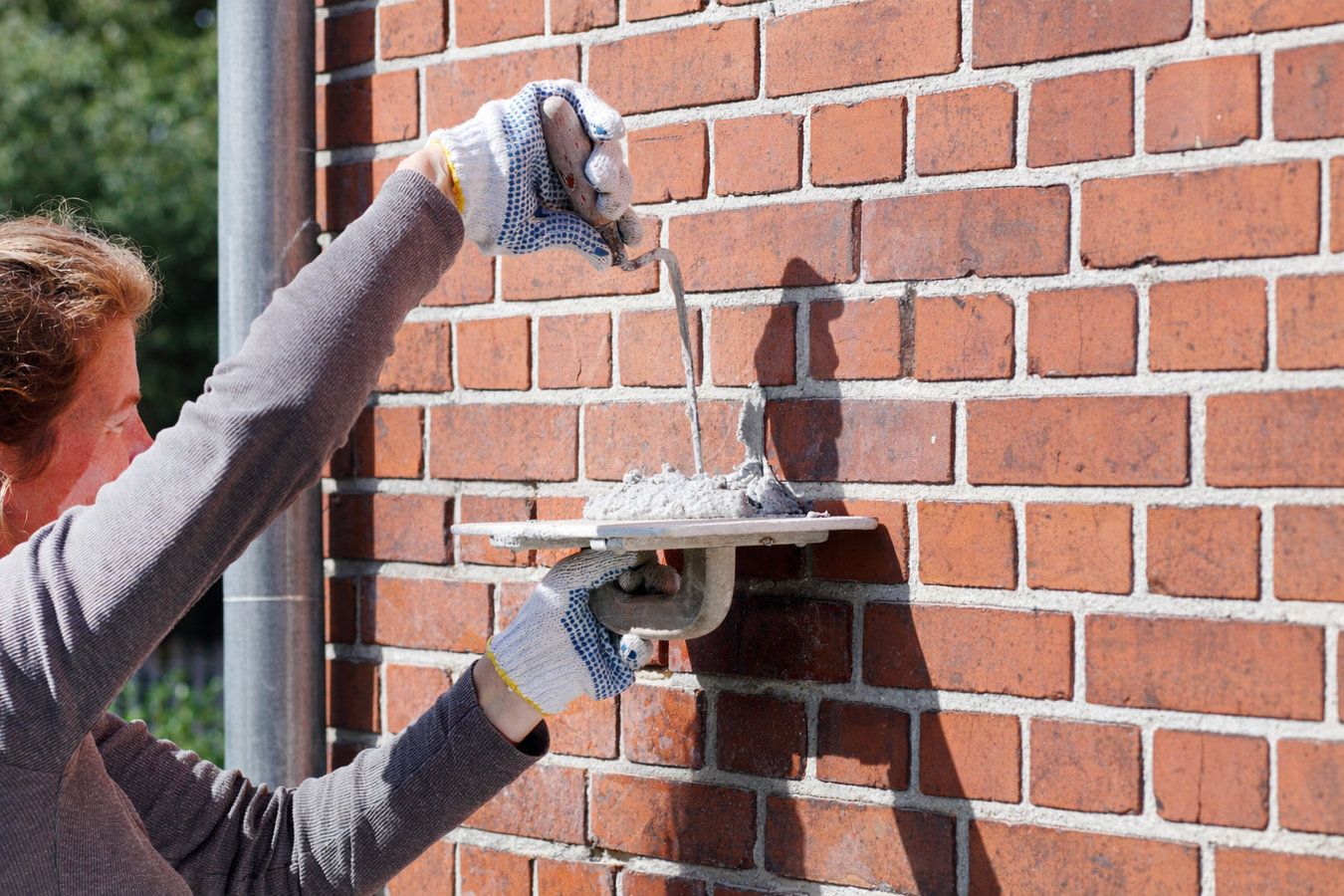
Orlando's older neighborhoods - College Park, Thornton Park, Colonialtown - have homes with original brick from the 1920s through 1940s that is now 80 to 100 years old. That brick has held up well structurally, but mortar joints have deteriorated, and some faces have spalled in ways that let moisture behind the wall. Matching the brick size, color, and profile on older Orlando homes requires sourcing and skill that not every contractor has. See our full brick repair process, including how we match original materials and what the assessment step looks like before any repair work begins.
Orlando gets over 50 inches of rain a year, most of it falling fast in summer thunderstorms. That repeated soaking erodes mortar joints on brick and block walls over time, and once joints open up, water gets behind the wall surface where it cannot dry out before the next storm. Tuckpointing - removing the deteriorated mortar and packing in fresh material - stops that water entry before it becomes a much larger and more expensive problem inside the wall cavity.
Orlando's sandy soil shifts with every wet-and-dry cycle, and that slow movement under a slab builds up over years into visible cracks, sloping floors, and sticking doors. Homes built between 1970 and 1990 are in the age range where this tends to become noticeable, and many Orlando homeowners first realize something is happening when an interior door stops latching correctly. Early assessment is worth it - smaller foundation repairs done before the movement progresses cost significantly less than the same job deferred by a few more years.
Concrete block is the standard exterior construction material in Orlando, and most homeowners here want any new walls or enclosures to match the existing structure. Block walls are also the practical choice for privacy walls, utility enclosures, and garden borders in this climate - they hold up against humidity, heat, and storm winds in ways that wood fencing does not. Footing depth matters more in sandy Orlando soil than it does in denser-soil markets, and we size footings for the specific conditions at your address.
Many Orlando lots have grade changes between the yard and the street, between neighboring properties, or at the back of a lot that slopes toward a retention pond or drainage easement. Without a properly built retaining wall, those grade changes erode during summer storms and eventually become safety hazards and maintenance problems. A well-engineered retaining wall with drainage built into the backfill controls erosion and holds the landscape through multiple storm seasons.
Concrete driveways on Orlando properties built in the 1970s and 1980s are now showing the effects of decades of sandy soil movement - wide cracks, sunken sections, and surface scaling that the Florida sun has accelerated. Paver driveways handle soil movement better than poured concrete because individual units flex with the ground rather than cracking across a monolithic surface. They are also easier to repair: a sunken section can be reset without replacing the entire driveway.
Orlando is not a single housing market - it is a collection of very different neighborhoods that happen to share a city boundary. A 1935 brick bungalow in College Park needs a contractor who can source discontinued brick profiles and work around a foundation that was poured before modern building codes. A 1985 concrete block house in the southeast part of the city needs someone who understands how Florida's wet-dry soil cycling works over a 40-year slab lifetime. A newer home in a planned subdivision near the UCF corridor has its own issues - thinner stucco finishes, different block densities, and HOA restrictions in some communities that govern what materials are allowed on exterior repairs. No single approach works for all of them, and a contractor who treats every Orlando job the same way will either over-spec the simple repairs or under-engineer the ones that actually need serious work.
The climate is also relentless. Orlando averages over 50 inches of rain annually according to the National Weather Service Melbourne office, and most of that rain falls in intense summer storms that put more water against exterior walls in 30 minutes than a moderate climate gets in a week. That rate of moisture exposure accelerates mortar erosion, stucco cracking, and water intrusion behind block walls. On top of that, hurricane and tropical storm activity - including Hurricane Ian's effects across the Orlando area in 2022 - periodically delivers the kind of wind-driven rain that finds every existing weakness in an exterior masonry surface at once.
Our crew works throughout Orlando regularly, pulling permits through the City of Orlando Building Division for structural masonry work across the city. We encounter both ends of the housing spectrum - pre-war brick construction in the historic neighborhoods northwest of downtown, and post-2000 concrete block homes in the newer subdivisions on the east and southeast sides. Those two property types need different materials, different repair approaches, and different timelines, and we account for that in every estimate.
Orlando's geography spreads from the historic streets near Lake Eola Park in the center out toward Lake Nona to the southeast and toward the University of Central Florida to the east. The sandy, shifting soil profile is consistent across most of the city regardless of the neighborhood's age or housing style. If you are in the Dr. Phillips corridor, near the tourist district, or in one of the older bungalow neighborhoods, the soil and storm conditions are similar - and so are the masonry problems that follow from them.
We also serve the communities directly south of Orlando, including Edgewood and Pine Castle. The masonry problems and housing stock in those communities share a lot in common with Orlando's south side - concrete block construction, similar soil conditions, and the same summer storm pattern that drives most of the repair demand in this part of Orange County.
Call or submit a request through the contact form. We reply within one business day to schedule an on-site visit. You do not need to figure out what is wrong first - that is what the assessment is for.
We visit the Orlando property, assess the damage or project scope, and provide a written estimate with itemized materials and labor. For brick repair jobs on older homes, we use the assessment visit to determine whether specialty matching is needed before giving you a final number - no inflated ballpark figures upfront.
If your project requires a permit through the Orlando Building Division, we file it and manage the inspection schedule. You do not need to be present for permit inspections. Once the permit is in hand, we confirm your start date.
We complete the masonry work, pass any required city inspection, and clear the site. We walk you through what was done and why, and point out anything else we noticed during the job that you should watch over the next season.
We serve homeowners and property managers throughout Orlando with no-obligation written estimates. Old bungalow or newer block home - we have worked on both.
(689) 214-9281Orlando is the fourth-largest city in Florida, with roughly 320,000 residents spread across a wide range of neighborhoods. The city has distinct areas with very different housing ages and characters: neighborhoods like College Park and Thornton Park near downtown have bungalows and craftsman homes dating to the 1920s and 1930s, while the southeast quadrant has newer subdivisions and planned communities built from the 1990s onward. Most of the housing stock - across all of those eras - uses concrete block for exterior walls, which is the standard Florida construction method. The city is home to major employers and institutions including the University of Central Florida on the east side and the major theme park corridor to the southwest.
The communities directly south of Orlando share the same housing stock, soil profile, and storm exposure. We serve Edgewood and other nearby areas with the same approach we use in Orlando: assess the specific property, match materials to what is already there, and build or repair to hold up through Central Florida's weather. For Orlando homeowners with questions about a specific neighborhood, call us directly and we can tell you what we have seen in properties like yours.
Restore your foundation's strength and protect your home from structural damage.
Learn MoreRenew deteriorating mortar joints for a stronger, longer-lasting masonry structure.
Learn MoreBuild lasting retaining walls that control erosion and define your landscape.
Learn MoreInstall a beautiful, fully functional masonry fireplace in your home.
Learn MoreTransform any surface with premium natural or manufactured stone veneer.
Learn MoreBuild sturdy concrete block walls for property boundaries or structural use.
Learn MoreInstall solid block foundation walls built to last for decades.
Learn MoreCreate the perfect outdoor kitchen with custom masonry craftsmanship.
Learn MoreDesign and build durable walkways that enhance your property's appearance.
Learn MoreAdd classic brick walls that combine timeless style with lasting durability.
Learn MoreCraft stunning stonework features that elevate any residential or commercial space.
Learn MoreWhether you have a 1930s brick bungalow in College Park or a concrete block home on the east side, call us or submit a request and we will be in touch within one business day.