Loading...
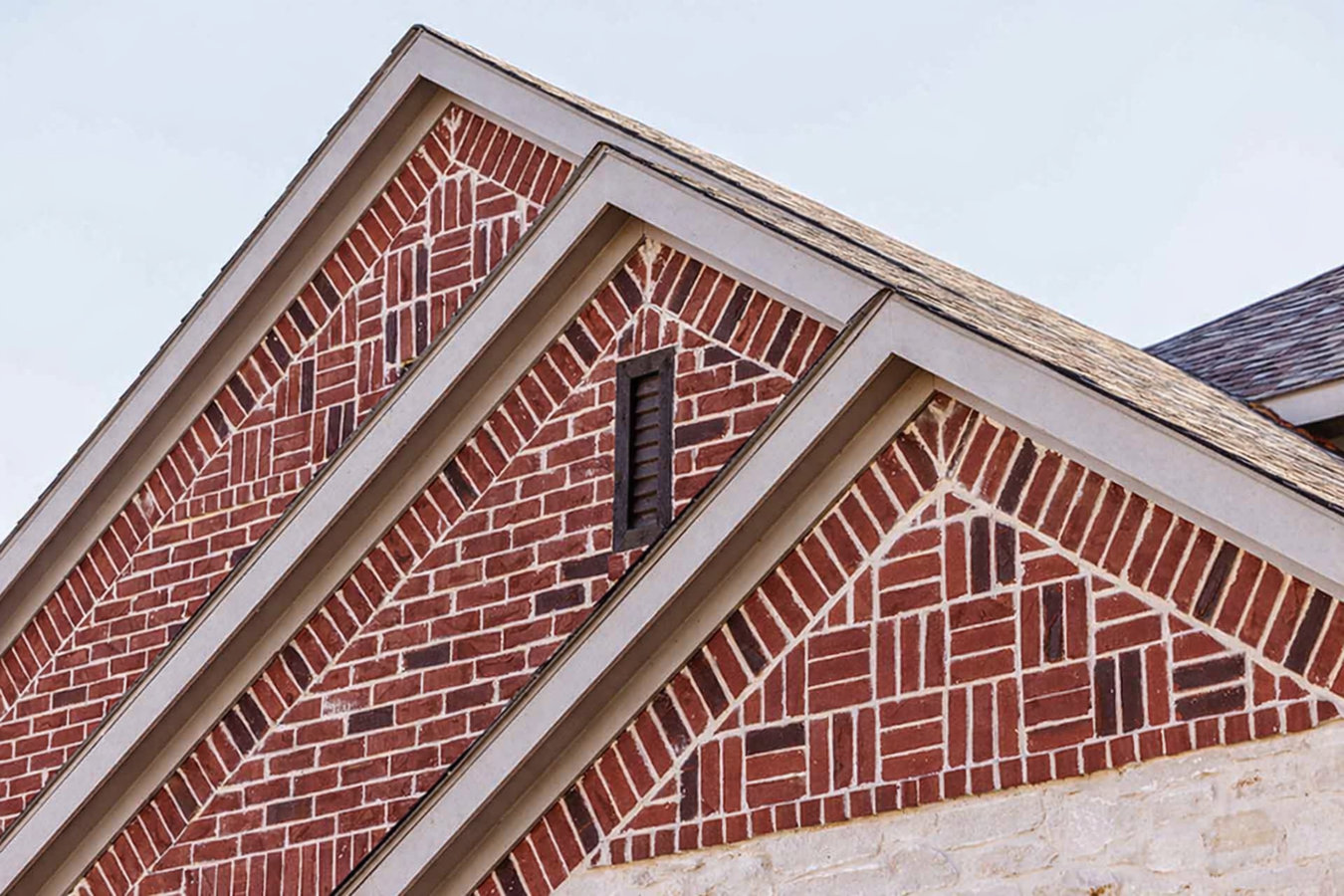
Crumbling mortar, spalling brick, and white staining are signs your masonry needs attention. We repair and restore before Florida's rainy season turns a small problem into a costly one.
Masonry restoration in St. Cloud covers repointing deteriorated mortar joints, patching spalled brick and block faces, removing efflorescence, and sealing surfaces against moisture - most jobs take one to three days depending on the size of the affected area.
If you own a home in St. Cloud, the combination of high humidity, sandy soils, and near-daily summer thunderstorms puts real stress on brick, block, and stone surfaces. What starts as a hairline crack or a few soft mortar joints can turn into water infiltration and structural damage over a single rainy season. The sooner you address it, the less it costs.
Masonry restoration is also closely related to fireplace installation - many homeowners discover deteriorated masonry around an existing firebox or chimney while planning a new installation. We assess the full condition of your masonry before recommending a scope of work.
White powdery deposits on your exterior walls, chimney, or retaining structure are called efflorescence - a sign that moisture is moving through the masonry. In St. Cloud's humid climate this happens faster than in drier areas. Left alone, that moisture movement will eventually soften the mortar and cause the surface to crumble.
Run your finger along the mortar joints between your bricks or blocks. If the material feels soft, sandy, or flakes away easily, it has deteriorated past the point where it is doing its job. Healthy mortar should feel firm and solid. Soft or missing mortar is one of the most common ways water gets into masonry walls.
Hairline cracks in mortar joints are often cosmetic. But cracks running through the blocks or bricks themselves - or cracks wider than a quarter-inch - can signal structural movement. In St. Cloud, sandy soils shift with seasonal rain and dry cycles, and those cracks sometimes indicate the ground beneath a wall has moved.
When the surface of a brick or block starts to break apart in thin layers or develop small pits, that is called spalling. It happens when moisture gets into the masonry, heats up in Florida's intense sun, and forces the surface to pop off. Once spalling starts, it tends to accelerate - each damaged spot lets in more moisture, which causes more damage.
Our masonry restoration work covers the full range of repair and stabilization needs for residential brick, block, and stone. We repoint deteriorated mortar joints, patch spalled surfaces, remove stubborn efflorescence, and apply breathable water repellents suited to Florida's humid climate. When damage is more extensive - such as cracked retaining walls or deteriorated chimney masonry - we also provide stone masonry work to match the original materials as closely as possible.
Every restoration project starts with a thorough inspection of the full surface. We probe mortar joints, look for cracks and voids, identify moisture entry points, and assess whether damage is cosmetic or structural before recommending any work. If your project also involves decorative elements or a feature wall, our fireplace installation team can coordinate the masonry restoration alongside new construction so the finished result is consistent throughout.
Best for homeowners with soft, missing, or crumbling mortar joints on walls, chimneys, or retaining structures.
Suited for brick or block faces that are chipping, flaking, or pitting due to Florida's heat and moisture cycles.
For homeowners with recurring white staining who want to address the moisture source and protect the surface long-term.
For walls, retaining structures, or foundations where cracks may indicate soil movement or load-bearing damage.
St. Cloud sits in Osceola County, where the rainy season runs from late May through early October with near-daily afternoon thunderstorms. Masonry is porous, and every open crack or crumbling joint is an entry point for water. That water heats up in Florida's intense sun, expands, and slowly pushes the surface apart - a cycle that accelerates with every storm. The best time to schedule restoration work is during the dry season between November and April, and calendars fill up fast once that window opens. If you are seeing signs of deterioration now, it is worth calling early.
Sandy Osceola County soils shift and settle more than clay-heavy soils found in other parts of the country, which puts ongoing stress on block walls, retaining structures, and masonry foundations. Homeowners in areas like Kissimmee and Harmony also deal with HOA-governed communities that require pre-approval for exterior work - a step that can add one to three weeks to your timeline. We are familiar with how that process works and can help you understand what to expect before scheduling. For authoritative guidance on masonry repair practices, the Brick Industry Association publishes technical notes on repointing and restoration methods that reflect current industry standards.
When you reach out, we will ask you a few basic questions about what you are seeing and where it is on your home. We reply within one business day and schedule a time to look at it in person - you do not need to have all the answers before we arrive.
We walk the area with you, probe mortar joints, look for cracks and staining, and explain what we are seeing in plain terms. You receive a written estimate before any work begins - no surprises when the invoice arrives.
If your project requires a permit for structural repairs in Osceola County, we handle pulling it from the county building department. This step can add one to two weeks but protects you legally and ensures the work is on record when you sell your home.
The crew clears the work area, completes repairs on the agreed schedule, and cleans up before leaving. We walk you through the finished work and explain how long the mortar or sealer needs to cure - typically 24 to 72 hours - before you should pressure-wash or scrub the repaired sections.
Free written estimates. No pressure. We reply within one business day.
(689) 214-9281We have been doing masonry work in St. Cloud and the surrounding Osceola County area since 2019. That means we understand the local soil conditions, the rainy season scheduling window, and what HOA communities in this area expect from contractors.
Osceola County enforces Florida's building code consistently, and unpermitted structural masonry work can create real problems when you sell your home or file an insurance claim. We handle the permit process when it is required, so the work is on record and inspected.
Florida's combination of intense sun, high humidity, and heavy rain is harder on masonry than most of the country. We match mortar types and sealers to your specific conditions - not just whatever is on the truck - so the repair holds up for years, not just through the first dry season. The International Masonry Institute provides the training standards our crew follows.
One of the biggest fears homeowners have is being told they need a major repair when a minor one would do. Before any work begins, we walk the area with you, show you exactly what we are seeing, and give you a written estimate you can understand and compare - no surprises on the final invoice.
Local experience, proper permitting, and materials suited to this climate are what separate a restoration that lasts from one that fails within a year. That is the standard we hold ourselves to on every job in St. Cloud.
Add a gas, wood-burning, or masonry fireplace to your St. Cloud home with a properly permitted, inspected installation.
Learn MoreNatural and manufactured stone walls, columns, and accent features built to hold up in Central Florida's climate.
Learn MoreSt. Cloud's dry season calendar fills fast - call now or request a free estimate online and lock in your date before the summer storms arrive.