
Loading...
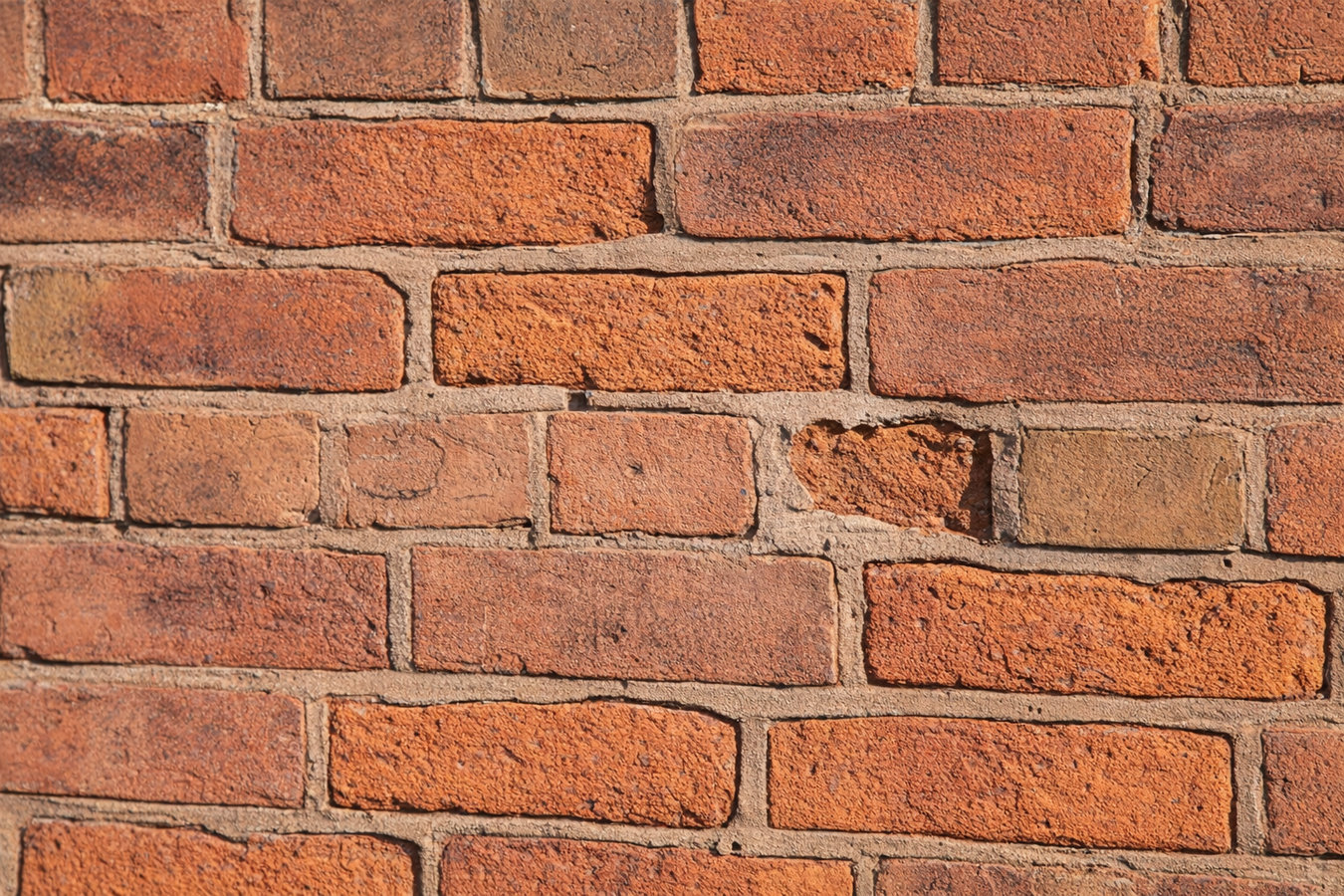
Crumbling mortar is not just a cosmetic problem. Every St. Cloud rainy season drives water deeper into failing joints. We remove the old material properly and pack in fresh mortar matched to your brickwork before the damage reaches the bricks.
Brick pointing in St. Cloud, FL is the process of removing old, crumbling mortar from the joints between bricks and packing in fresh mortar - most chimneys or wall sections take one to three days depending on how much area is involved.
Mortar is the part of a brick wall that is meant to wear out first. It is softer than the brick on purpose - when stress or moisture cracks something, you want it to be the mortar, not the brick, because replacing mortar is far cheaper than replacing bricks. In St. Cloud's heat and humidity, mortar can start showing wear in 20 to 30 years, sometimes sooner if the original mix was not suited to Florida's climate. When that happens, water gets in, and water inside a brick chimney or wall is where the real damage starts. If the bricks themselves are already crumbling or shifted, our foundation repair team can assess whether the underlying structure needs attention before mortar work begins.
The work looks simple from the outside - grind out the old, pack in the new - but the detail work matters. Getting the mortar depth right, choosing the correct mortar strength for the age of the brickwork, and matching the joint profile and color so the repair blends in are all things that separate careful work from rushed work.
Stand back and look at your chimney or brick wall from a few feet away. If you can see dark gaps where the mortar lines should be, or if the mortar looks like it is pulling away from the edges of the bricks, the joints need attention. Run your finger along a joint - if mortar crumbles out easily or feels sandy and loose, it is past time to call someone.
St. Cloud's rainy season brings intense, sustained rainfall that will find any weakness in a brick structure. Water stains on your ceiling near the chimney, damp spots on an interior wall that backs up to exterior brick, or a musty smell after a storm are all signs that failing mortar joints are letting water in. Act on this quickly - water damage inside a home compounds fast.
Chalky white streaks on brick surfaces are efflorescence - mineral salt pushed to the surface as moisture moves through the wall. In St. Cloud's humid climate this is a common early warning that water is already working its way through the structure. It does not always mean the damage is severe yet, but the mortar joints are worth inspecting before it gets worse.
Cracks that follow the mortar joints in a diagonal, stair-step pattern are a sign the structure has experienced movement - which is common on St. Cloud's sandy soils. These cracks are often repairable with repointing, but they need to be addressed before they widen. Left alone, stair-step cracks allow water in and can eventually compromise the stability of the structure.
We repoint brick chimneys, exterior wall sections, garden walls, decorative brick features, and any other masonry structure where the mortar joints have deteriorated. The process is the same regardless of where the brickwork is: grind or chisel out the old mortar to the right depth, clean the joint, and pack in fresh mortar that is formulated for the local climate and matched as closely as possible to the existing color and profile. On older St. Cloud homes - those built in the 1960s and 1970s - the mortar choice is especially important because softer original-era mortar requires a replacement mix that will not damage the bricks by being too hard. If the tuckpointing process is relevant to your project, our tuckpointing service page covers that closely related technique in more detail.
We also handle spot repairs when only a section of a wall or chimney needs attention, rather than requiring a full repoint of the entire structure. If individual bricks are spalling, cracked, or have shifted out of position, we assess whether they need to be replaced before new mortar goes in - and we will tell you what we find honestly during the estimate visit rather than discovering it mid-job. The goal is always the most targeted repair that actually solves the problem.
Best for homeowners with a brick chimney showing crumbling joints, staining, or interior moisture signs - the most common brick pointing job in St. Cloud.
Suited for homes or structures with a brick exterior where the mortar joints have deteriorated across a larger section and need systematic replacement.
Right for localized damage - a stair-step crack pattern, a section below a window, or a small area where water entry has been identified.
Osceola County averages 50 to 55 inches of rain per year, with the heaviest rainfall between June and September. When mortar joints are even slightly compromised, that volume of rain can drive water into a wall fast - leading to interior moisture, mold, and structural weakening over time. Getting repointing done before the rainy season arrives - ideally in late winter or early spring - gives fresh mortar time to cure fully before it faces the hardest test. The Brick Industry Association publishes installation and maintenance standards for brick masonry that inform how repointing work should be done, including mortar depth and joint preparation requirements that prevent early failure. Homeowners in the St. Cloud area dealing with older brick chimneys or walls should also be aware that the sandy soil here can shift subtly after heavy rain, putting stress on brick structures that shows up as stair-step crack patterns in the mortar.
Older neighborhoods near downtown St. Cloud have homes built in the mid-20th century with original mortar that has had decades of heat and humidity working on it. Using the wrong replacement mortar on that older brickwork - specifically a mix that is harder than the original - can crack the bricks themselves rather than protecting them. Matching mortar to the age and construction of the brickwork is especially important in these areas, and it is one of the clearest ways to tell whether a mason knows what they are doing. Homeowners in newer HOA communities, including those near Harmony on the city's southern edge, may also need to confirm that mortar color matches HOA appearance guidelines before work begins.
When you reach out, we will ask what type of structure it is - chimney, wall, steps - roughly how large the area is, and whether you have noticed any specific damage. We schedule a time to come look in person before giving you a price. We reply within 1 business day and on-site estimates are free.
We walk around the structure and look closely at the mortar joints, the condition of the bricks, and anything that might affect the work - like access height or whether scaffolding is needed. We check whether any bricks are cracked or damaged and need replacing before repointing begins. You should feel comfortable asking questions during this visit.
After the visit you receive a written estimate that breaks down the scope and total cost. It specifies what is included - how much mortar is removed, whether brick replacement is part of the job, and what cleanup looks like. Once you approve it and we have materials ready, you get a confirmed start date.
We grind out old mortar to the right depth, pack in fresh mortar, and shape the joint to match the existing profile. Expect some noise and mortar dust around the work area - we clean up before leaving each day. Fresh mortar needs at least 24 to 48 hours before rain hits it, and a full month before pressure washing near it.
Free on-site estimate. No obligation. We reply within 1 business day.
(689) 214-9281Using a mortar that is too hard for older brickwork does not protect it - it can crack the bricks themselves by trapping moisture rather than letting the wall breathe. St. Cloud has a significant number of mid-20th-century homes near downtown with original mortar that requires a specific replacement formulation. We assess the age and condition of your brickwork before choosing the mix so the repair works with what is already there.
We have worked in St. Cloud's neighborhoods - from the older areas near downtown to the newer subdivisions on the city's southern edge - long enough to know the local soil conditions, rainfall patterns, and common HOA requirements that affect how brick work is done here. References from jobs in this area are available on request.
Florida requires masonry contractors to hold a state license before legally doing structural work on your home. You can verify any contractor's license status in seconds on the Florida Department of Business and Professional Regulation website. We encourage every homeowner to check - it is the fastest way to protect yourself regardless of who you hire.
Brick pointing done while only the mortar is failing keeps the cost predictable and the scope manageable. Waiting until bricks begin to crack or shift turns a straightforward repair into a more involved job. We tell you what we find honestly during the estimate visit so you can make an informed decision about timing - not after the work has already started.
Getting the mortar right and doing the prep work properly is what makes the difference between a repair that lasts 25 years and one that needs redoing in five. That is the standard we hold every job to, regardless of how small the area is.
If cracking or settling points to a deeper structural issue beneath the brick, foundation repair addresses the underlying cause before mortar work is done.
Learn MoreTuckpointing is a closely related mortar repair technique used for decorative joint profiles and on surfaces where a precise finish is part of the original design.
Learn MoreCall or submit a request today - free on-site estimate, no pressure, and we will tell you exactly what the job involves before you commit to anything.